

By Eduard Bardaji on Apr 20, 2026, 10:00:00 AM
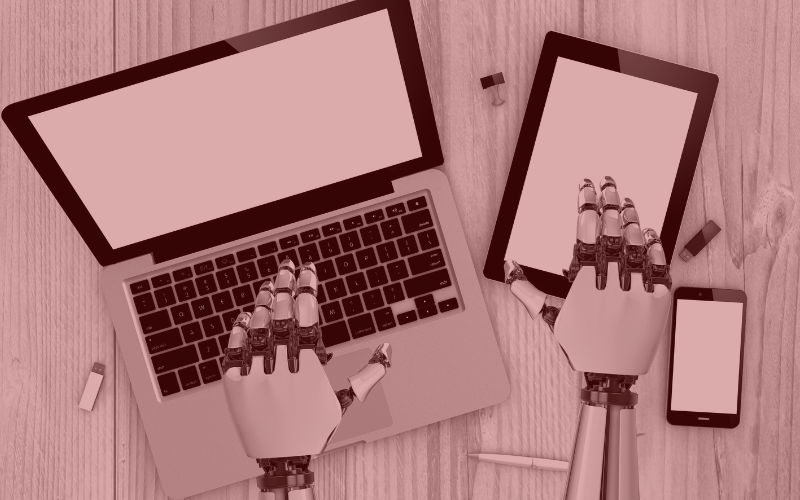
More than 80% of social engineering campaigns now incorporate AI, making malware harder to detect. Artificial intelligence is radically transforming these attacks: combined with large volumes of information, it automates execution, optimizes distribution, and personalizes campaigns, increasing their speed, scale, and sophistication.

How AI Enhances Malware
AI-powered malware increases the speed and effectiveness of attacks. It generates polymorphic code, automates vulnerability exploits, and uses legitimate tools to hide. Additionally, it customizes campaigns and distributes malware more effectively through advanced phishing, deepfakes, and AI-generated content, causing impacts that directly affect data, defenses, and organizational operations.
- Silent Exfiltration: Theft of credentials and data through infostealers that operate under the radar before any alert.
- Defense Evasion: Polymorphic capability to mutate code in real time, rendering traditional antivirus and EDR signatures ineffective.
- Operational Disruption: Blocking critical systems and processes, causing direct financial losses and long recovery times.
Economic and Operational Impact
The impact of AI-powered malware far exceeds traditional damage. Infection of critical systems, disruption of production processes, and silent data exfiltration compromise operational continuity and directly affect clients, suppliers, and partners.
Additionally, leaks of sensitive information can damage corporate reputation and trigger regulatory penalties under frameworks like GDPR, NIS2, or the Spanish National Security Scheme (ENS). Even organizations with advanced security measures are exposed to significant financial losses and operational disruptions from sophisticated, automated malware.
Essential Security Measures to Protect Against AI-Generated Malware
- Behavior Detection (EDR/XDR): Replace traditional antivirus with systems that analyze memory activity and detect polymorphic malware without known signatures.
- Zero Trust Architecture: Strictly segment the network to prevent lateral malware movement and validate every access attempt, regardless of its origin.
- Resilient MFA Authentication: Prevent compromised credentials from granting unauthorized access by reinforcing identity with multiple verification layers.
- Human Verification and Training: Train staff to detect synthetic content and establish double-confirmation protocols for any file execution or suspicious downloads.
Want to Learn More?
At ESED, we have prepared a detailed report: Malware Cyberattacks Summary 2025. It provides a comprehensive analysis with data and defense strategies specific to companies, covering the state of malware cyberattacks both globally and in Spain. Download the full report via the banner below.


Essential Cybersecurity Policies for Employees

How to audit your corporate website's security (and when you need a pentest)
.png?width=262&height=150&name=accio-10-negre%20(1).png)


.jpg?width=1150&height=64&name=ADHESIVO%20P%C3%81GINA%20WEB%20(1).jpg)