


By Eduard Bardají on Oct 9, 2025, 8:44:48 AM
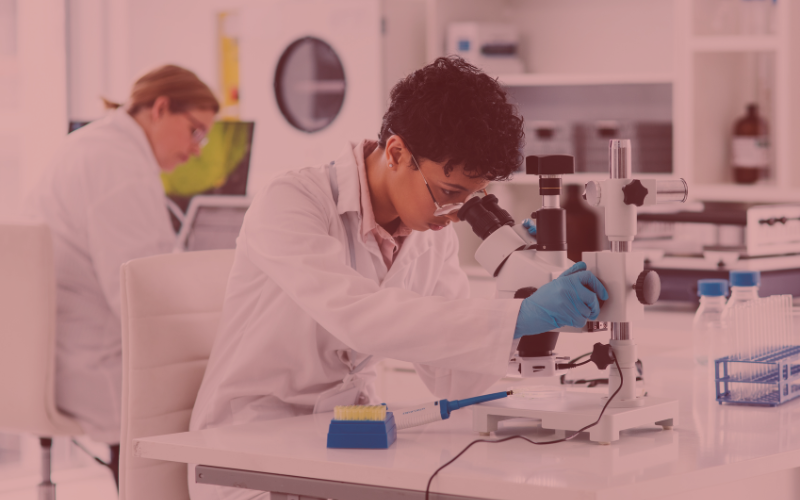
In 2027, biotechnology will continue moving toward an increasingly digital, connected, and data-dependent model. Research results, clinical data, genetic information, intellectual property, and production processes are all part of the same technology ecosystem that needs to remain protected.
The adoption of artificial intelligence, collaboration between research centers and companies, cloud services, and digital supply chains are accelerating this transformation. For biotech companies, cybersecurity is no longer only about preventing information theft. It also means ensuring data integrity, research continuity, and the trust of partners, investors, and patients.
The threat landscape is also changing. Ransomware, intellectual property theft, and attacks targeting suppliers will remain relevant risks, but they will increasingly coexist with new threats associated with AI use, data exposure through digital tools, and the growing interconnection between research, cloud environments, and connected devices.
The evolution of the European sector itself reinforces this trend. The proposed European Biotech Act considers AI, data, and digital infrastructure to be key elements for advancing biotechnology, alongside biosafety measures. In this context, protecting the data and systems that enable organizations to use them will become increasingly important.

Cybersecurity Trends for the Biotech Sector
AI Security and Protection of Scientific Data
AI will play an increasingly important role in research, data analysis, and the development of new products. The move toward systems capable of executing tasks more autonomously introduces a new risk surface: models, agents, credentials, scientific data, and connected tools must be properly controlled. In areas such as genomics, the use of agents capable of chaining together analysis operations autonomously is already being considered, making it particularly important to define permissions, validate results, and maintain oversight of critical processes.
Managed Cybersecurity and Continuous Response
The complexity of biotech environments makes it increasingly difficult to rely solely on internal resources to detect and respond to incidents. Cloud environments, research applications, connected devices, identities, and external services require continuous monitoring. In 2027, managed services will need to combine monitoring, detection, and response with specialized capabilities to investigate incidents and contain threats without unnecessarily disrupting research or production processes.
Protecting Intellectual Property and Research Data
Intellectual property will remain one of the most important assets for a biotech company. Formulas, experimental results, sequences, models, patents, and trial documentation can represent years of research and a significant part of a company's value.
In 2027, protecting this information will require organizations to control its entire lifecycle: from internal systems to cloud platforms, collaboration tools, research repositories, and external providers. Least-privilege access, encryption, information segmentation, and rigorous identity management will be key measures for reducing exposure.
In addition, concerns about the security of proprietary data and intellectual property are increasing as companies incorporate external AI models into their processes.
Cyber Resilience, Regulation, and the Supply Chain
The security of a biotech company will increasingly depend on its ability to respond to an incident and recover its operations. An attack targeting a supplier, cloud platform, or system used during research can directly affect critical projects, data, and processes.
NIS2 includes certain organizations in the healthcare sector, including research and development of medicinal products, although its application depends on the organization and national legislation. Among other measures, it strengthens risk management, incident response, and supply chain security. Meanwhile, the Cyber Resilience Act will establish cybersecurity requirements for products with digital elements within its scope, with its main obligations applying from December 2027.
For this reason, biotech companies will need to strengthen supplier management, risk assessment, incident response, and recovery, while also identifying which regulatory requirements actually apply to them.
Security for Laboratories, IoT, and Connected Systems
Laboratories are increasingly incorporating connected equipment, automated systems, and devices that exchange information with other platforms. In 2027, applying Security by Design, controlling credentials and access, keeping devices updated, and segmenting environments will be essential. This will help prevent a compromised device from becoming an easy entry point into research or production systems.
Cybersecurity Culture and Responsible AI Use
The human factor will remain one of the most important variables. However, in 2027, training will need to go beyond traditional phishing and adapt to the way scientific and technical teams work.
Employees will need to understand how to share research information, what data can be entered into AI tools, how to identify impersonation attempts, and what to do when they detect a potential incident. Practical training and simulations will help turn these procedures into habits and reduce errors that could compromise critical information.

Digital transformation is accelerating research and innovation across the biotech sector, but it is also increasing its dependence on systems, data, and technology providers.
In 2027, protecting a biotech company will mean protecting this entire ecosystem: from research and intellectual property to AI, connected devices, and external services.
At ESED, we help biotech companies prevent, detect, and respond to threats through continuous monitoring, security audits, system protection, and managed cybersecurity services. We adapt each strategy to the organization's infrastructure and needs so that security supports business growth without becoming an obstacle to research.
Ransomware in Biotech: how to protect yourself
Most Common Security Breaches in Biotech
.png?width=262&height=150&name=accio-10-negre%20(1).png)


.jpg?width=1150&height=64&name=ADHESIVO%20P%C3%81GINA%20WEB%20(1).jpg)