


By Eduard Bardají on Dec 16, 2025, 11:00:00 AM
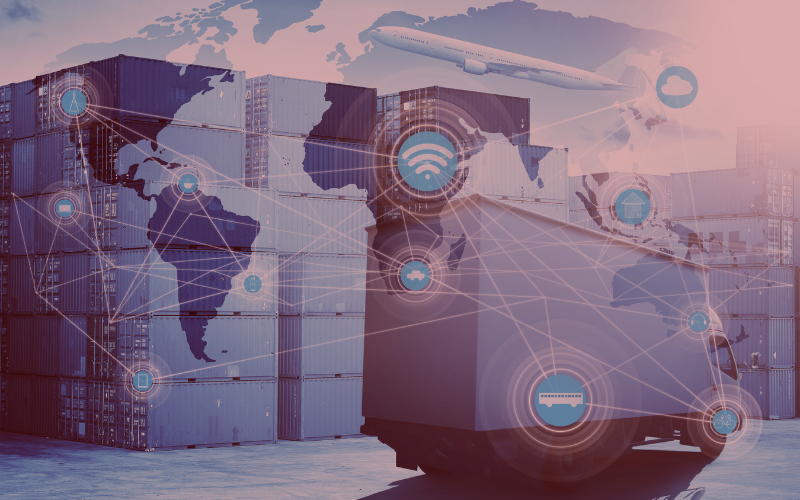
In the logistics sector, product tampering no longer occurs only in warehouses or physical routes. Today, much of the risk originates from IT systems: a compromised IoT sensor, a manipulated TMS, a digitally counterfeited label, or a route deviation caused by a cyberattack can compromise goods without anyone noticing.
Therefore, ensuring product integrity during transport now depends not only on physical controls but also on secure digital infrastructure, strong policies, and reliable traceability. In an increasingly connected environment, protecting the supply chain also means protecting its IT systems.

Product Integrity: The new digital challenge in transport and logistics
The digital transformation of the sector has turned the supply chain into an ecosystem where every data point directly impacts the goods. An incorrect temperature reading from an IoT sensor, an unauthorized truck route change, or a label generated from a compromised system can affect the product without anyone realizing it until it reaches the customer.
By 2026, this reality will be even more evident: operators will work with more distributed infrastructures, better-connected providers, and increasingly automated processes. In this scenario, protecting the product also means protecting the information describing it, because if the data is altered, the goods are no longer reliable, even if physically intact.
Cybersecurity Strategy to ensure product integrity during transport
Product integrity also depends on digital security
Protecting goods during transport requires more than physical controls. In logistics, product integrity directly depends on the reliability of systems managing routes, environmental conditions, inventory, and internal movements. The strategy must focus on securing data, strengthening IT infrastructure, and establishing mechanisms capable of detecting any tampering in real time.
Digital traceability: key to detecting tampering
The first pillar is ensuring digital traceability by recording every reading, movement, or change in protected systems. Continuous audits and integrity checks allow unauthorized alterations to be identified and incidents reconstructed. This is especially important in chains with IoT sensors or monitored routes, where a false reading could hide product deterioration.
Security in TMS, WMS, and critical systems
The second pillar is protecting critical systems: TMS, WMS, fleet platforms, or order preparation systems. These environments should have strong authentication, segmentation, continuous monitoring, and a Zero Trust model that verifies every access, even from internal users. Only then can digital tampering altering routes, inventory, or labels go undetected.
Disaster Recovery Plan: a key response to maintain product integrity
Finally, the strategy must include a rapid-response plan. Having a Disaster Recovery Plan adapted to the logistics sector, immutable backups, and automated restoration mechanisms allows manipulated systems to be recovered and operations returned to normal without affecting the products or supply chain.
In logistics, any alteration, physical or digital, directly impacts operational continuity and customer satisfaction. Ensuring that products are not tampered with or counterfeited during transport means strengthening IT infrastructure, ensuring traceability, and having fast, reliable response mechanisms in place.
Companies implementing these measures will not only reduce risks but also provide a more robust, reliable, and future-ready supply chain.
How ESED can help protect your supply chain
At ESED, we support logistics companies with managed cybersecurity services that ensure a safe and stable digital environment. We handle continuous monitoring, early threat detection, incident management, critical system maintenance, and protection against cyberattacks such as ransomware or data tampering.
We always work with a fixed monthly fee, allowing organizations to have a specialized team without variable costs or surprises. This model enables continuous protection, including perimeter security, anti-phishing solutions, advanced endpoints, access management, periodic technical validations, and cloud backup services.
Our goal is to let you focus on operations while we keep your systems secure, updated, and prepared for any incident.

8 tricks to protect your privacy online
Ransomware against law firms and legal practices

.png?width=262&height=150&name=accio-10-negre%20(1).png)


.jpg?width=1150&height=64&name=ADHESIVO%20P%C3%81GINA%20WEB%20(1).jpg)