


By Esteban Sardanyés on Apr 30, 2026, 9:00:02 AM
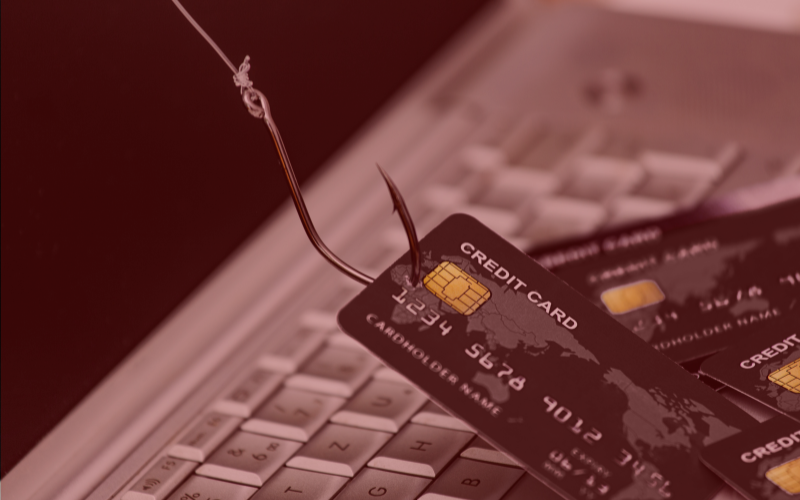
In 2025, phishing is no longer an isolated cybersecurity issue but a direct risk to business continuity for digital wallet companies. With more than 1.13 million attacks per quarter and an average cost of 4.48 million dollars per breach, the real impact is not the attack itself, but what it causes: the loss of control over user security and trust in the platform.
When a user is compromised, the impact is not limited to their account. The company absorbs the fraud, reputational damage, and in many cases, legal liability.
Phishing attack models in digital wallets
Phishing has evolved from a casual attack into an organized criminal operation. For a digital wallet, facing today’s increasingly sophisticated cyberattacks driven by technological advancement means dealing with multiple illicit business models:
- Phishing-as-a-Service (PhaaS): Rented infrastructures that enable large-scale, automated attacks without technical knowledge.
- Fraud-as-a-Service (FaaS): Models that cover the entire criminal cycle, from credential theft to money laundering (cash-out).
- Generative AI and deepfakes: The use of cloned voices and highly personalized messages has increased attack success rates up to 40%, bypassing traditional filters.
- Multichannel attacks: Coordination of SMS (smishing) and calls (vishing) in real time to intercept MFA codes and bypass two-factor authentication.
This is not attack evolution. It is the industrialization of risk against platform users.

Consequences of phishing in digital wallets and loss of user control
Modern phishing does not aim only to steal credentials. It targets one of the most critical business assets: trust between the company and its users.
This manifests through different types of attacks that directly compromise trust and service operations:
- Impersonation of the service toward the customer
- Account takeover through multichannel social engineering
- Abuse of authentication processes to take control of active sessions
The result is clear: the company becomes responsible for the impact suffered by the user.
How phishing directly impacts digital wallet businesses
The effect of phishing on digital wallets is not isolated; it is structural and long-lasting, directly affecting service operations and business stability.
- Direct financial losses: fraud linked to unauthorized access and illegitimate transactions
- Reputational impact: loss of user trust and service abandonment
- Legal and regulatory risk: mandatory notification within 72 hours and potential penalties if preventive measures are not in place

Signs your customers are being attacked
Early detection of phishing campaigns in digital wallets starts with access monitoring. Spikes in logins from unusual locations or unrecognized devices are often one of the first signs of credential theft.
Another key indicator is user-reported activity. Suspicious SMS messages, emails, or phone calls impersonating the service often precede an active campaign.
Finally, monitoring transactions and account changes is essential. Unusual fund movements or mass credential changes may indicate an ongoing attack. Early detection makes the difference between a fraud attempt and a critical breach.
Detecting these patterns allows for timely response, but real risk reduction happens when security prevents the attack from reaching the user.
Cybersecurity recommendations to protect your customers
To mitigate these risks, organizations must move from reactive security to proactive cybersecurity.
1. Phishing-resistant authentication (FIDO2 and passkeys)
Eliminating passwords directly reduces credential theft attacks. Access is tied to the user’s device, making it difficult for attackers to reuse stolen information in phishing campaigns.
2. End-to-end encryption
Data remains protected even if intercepted. Without decryption keys, the information is useless to attackers and cannot be exploited. This reduces the impact of breaches and unauthorized access in critical environments.
3. Zero Trust model applied to customer access
Each access is validated independently without assuming prior trust. This limits the impact of compromised credentials and reduces lateral movement within the system. It also enables real-time detection of anomalous behavior.
4. Defensive AI and fraud-oriented SOC
User and access behavior is analyzed in real time to detect anomalies. This allows fraud attempts to be blocked before they reach the user. It also helps anticipate coordinated phishing campaigns in early stages.
5. Phishing simulations and user awareness
Exposing users and employees to simulated attacks helps identify their real exposure level. This reduces human error in real phishing attacks based on social engineering. It also reinforces detection habits in critical situations.
6. Anti-phishing solutions
Pre-screening emails before delivery blocks impersonation attempts and malicious messages. This prevents users from interacting with the attack. It also reduces the entry surface for large-scale automated campaigns.
ESED: the proactive cybersecurity you need
A preventive approach helps reduce incidents, control costs, and avoid unexpected legal, reputational, and financial impacts. Industrialized phishing is a critical risk that requires advanced strategies to ensure business resilience.
At ESED, we help organizations protect their data through a fixed monthly fee model that includes proactive services and continuous monitoring. This system allows companies to anticipate incidents without relying on reactive actions or unpredictable variable costs.

How to protect genomic and research data in biotechnology companies

Data exfiltration through "screenshots" and personal devices

.png?width=262&height=150&name=accio-10-negre%20(1).png)


.jpg?width=1150&height=64&name=ADHESIVO%20P%C3%81GINA%20WEB%20(1).jpg)