


By Esteban Sardanyés on Apr 16, 2026, 11:00:00 AM
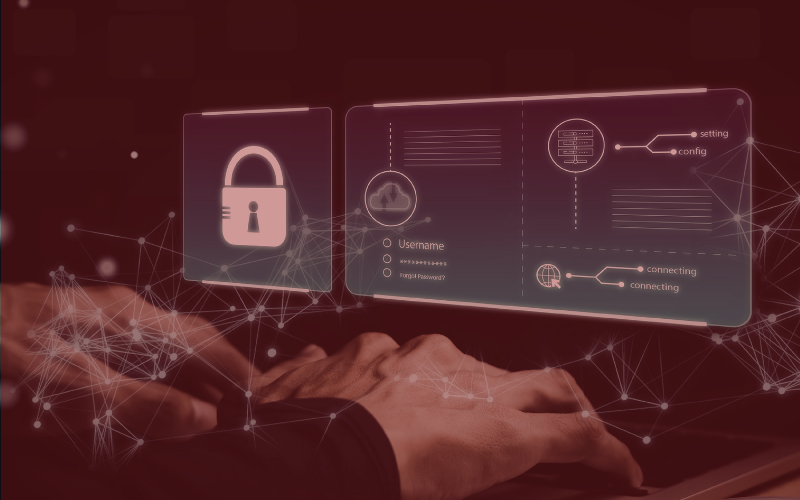
Companies take 25% longer than expected to recover from cybersecurity incidents, and almost always it’s because they react too late. Every hour without action increases legal, reputational, and financial risk. Knowing what to do from the very first moment can be the difference between a controlled incident and a disaster.

What is a data breach?
A data breach occurs when confidential information is compromised, whether due to a cyberattack, human error, or technical failure. It’s not always a “spectacular hack”: an email sent to the wrong recipient, a lost laptop, or leaked passwords also count. What matters is the risk to people’s rights and privacy.
How to detect a data breach
- Security alerts from your system or antivirus
- Unusual access to databases or internal systems
- Customer complaints about receiving information they shouldn’t
- Suspicious activity in corporate accounts
Setting up monitoring systems and early warning protocols allows you to react before the damage spreads. Prevention and rapid detection are the first line of defense against data exposure.
Guide: steps to take when a data breach is detected
Acting quickly is crucial. The first 72 hours are critical to contain the incident, assess its impact, and comply with data protection regulations.
1. Identify and contain the incident
The first step is to understand what happened and stop it. This may involve blocking compromised access, isolating affected devices, changing passwords, and disconnecting critical systems.
2. Assess the impact
Once the problem is under control, analyze which data was affected, how many people may be involved, and whether the information includes sensitive data such as financial or health records. Not all breaches carry the same risk: prioritizing based on severity is essential for making quick and accurate decisions.
3. Document the incident
Recording everything that happened is both mandatory and useful. Date, type of breach, affected data, estimated number of people involved, and actions taken form a record that demonstrates compliance and is useful for future audits or inspections.
4. Notify the competent authority
If the incident poses a risk to people’s rights, you must inform the data protection authority, usually within 72 hours. The notification must be clear and complete, including a description of the breach, the compromised data, and the measures taken to mitigate the risk.
5. Inform the affected individuals
When the breach may cause high risk, such as financial leaks, access to medical records, or passwords, affected individuals must be informed with practical guidance on what happened, which data was compromised, and what steps they can take to protect themselves.
How to prevent the consequences of a data breach
Train employees in cybersecurity
Human error is still the most common entry point for attacks. Continuous training on phishing, ransomware, and good data-handling practices significantly increases your biotech’s resilience and reduces operational and regulatory risks.
Encrypt sensitive information and control access
Storing data is not enough; it must be protected. Encryption ensures that even if someone accesses it without permission, the information cannot be read. Additionally, restricting access based on role minimizes exposure to internal and external risks.
Conduct regular cybersecurity audits
Detecting weaknesses before attackers exploit them is essential. Regular reviews of systems, networks, and applications help identify vulnerabilities and fix them in time.
Implement information security policies aligned with regulations
Having clear, documented procedures not only protects data but also demonstrates compliance in audits and to authorities. This includes password management, device control, and incident response protocols.
ESED, your cybersecurity partner
Taking a preventive approach to cybersecurity not only reduces risks but also allows you to control costs and avoid unexpected impacts on your business.
At Esed, we offer a fixed monthly fee that includes proactive services to keep your systems continuously protected and operational. This model allows companies to anticipate potential incidents without relying on reactive measures or variable costs.
Additionally, you can customize the service according to your needs, choosing between pure cybersecurity or a more complete solution that also integrates IT service outsourcing.
What happens after a ransomware attack: costs, recovery times, and critical decisions in the first 72 hours

Data Breach in Beauty Quizzes: When a Skincare Quiz Collects Sensitive Data Without You Realizing It

.png?width=262&height=150&name=accio-10-negre%20(1).png)


.jpg?width=1150&height=64&name=ADHESIVO%20P%C3%81GINA%20WEB%20(1).jpg)